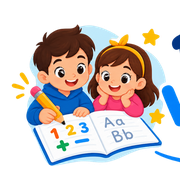
School holidays range from two weeks to three months depending on where you live, and every parent faces the same question: how do we keep skills fresh without turning the break into homework? The research on “summer slide” suggests that children can lose some skills over a long break, especially in maths and spelling. A little light practice prevents most of it, and none of it has to look like school.
Keep the routine tiny
Fifteen minutes a day, four days a week, is enough. Choose a consistent time, perhaps after breakfast, and call it “quiet time”. Include a short reading session and one small activity such as a worksheet, a puzzle or a journal entry. The rest of the day is for play, outings and rest.
Reading first
Reading is the best holiday habit. Visit the library, take books on trips and agree on a family reading time. Children who read just a few books over a long break hold on to most of their reading skill. See our twelve ideas for a daily reading habit.
Make maths playful
Use holidays to practise number skills in real settings: cook with measurements, count money at the market, plan a trip budget, read train timetables, and keep score in games. Use a short worksheet or drill on one skill, such as times tables or place value, two or three times a week. Our free workbooks are designed as a few pages at a time.
Writing without pressure
A holiday journal is wonderful. Ask children to write or draw one thing each day. Postcards to friends, a family newspaper or a recipe book make writing meaningful. Let spelling slide while writing; focus on ideas and enjoyment.
Learning by doing
Science happens in kitchens, gardens and beaches: floating and sinking, planting seeds, watching shadows move through the day. Outings to museums, markets, parks and libraries bring language and curiosity. Our science pages pair well with a nature walk.
Preparing for the new school year
In the last two weeks of the break, review the previous year’s key skills with a few lighter sheets, then slowly return to the school routine: earlier bedtimes, packed bags and a short reading session. Children who restart gently settle more quickly. Remember that every country’s school year has its own rhythm; see our guide to grade levels around the world if you are moving between systems.
Frequently asked questions
Is summer slide real?
Studies in several countries suggest some loss of skills over long breaks, especially in maths. Light regular practice helps prevent it.
What if my child refuses to do anything?
Keep reading together and play maths games; take a few days of complete rest and restart gently.
How many worksheets per week?
Two to four short sheets, plus reading, is plenty.